Photos / Mike Scott
Senior Army commanders say pressure on New Zealand’s defence forces is greater than at any point in recent memory due to a heightened security environment in our region.
It comes amid a “dangerous” strategic backdrop of Chinese expansion into the Pacific, the NZ Defence Force (NZDF) moving to strengthen military ties with Australian counterparts, and an increasingly unstable world order.
Army bosses say our soldiers need to be ready for combat, and the heightened state of pressure they are operating under highlights the importance of testing basic military competence.
The Skill at Arms competition, held every two years, is one of the Army’s measures of readiness.
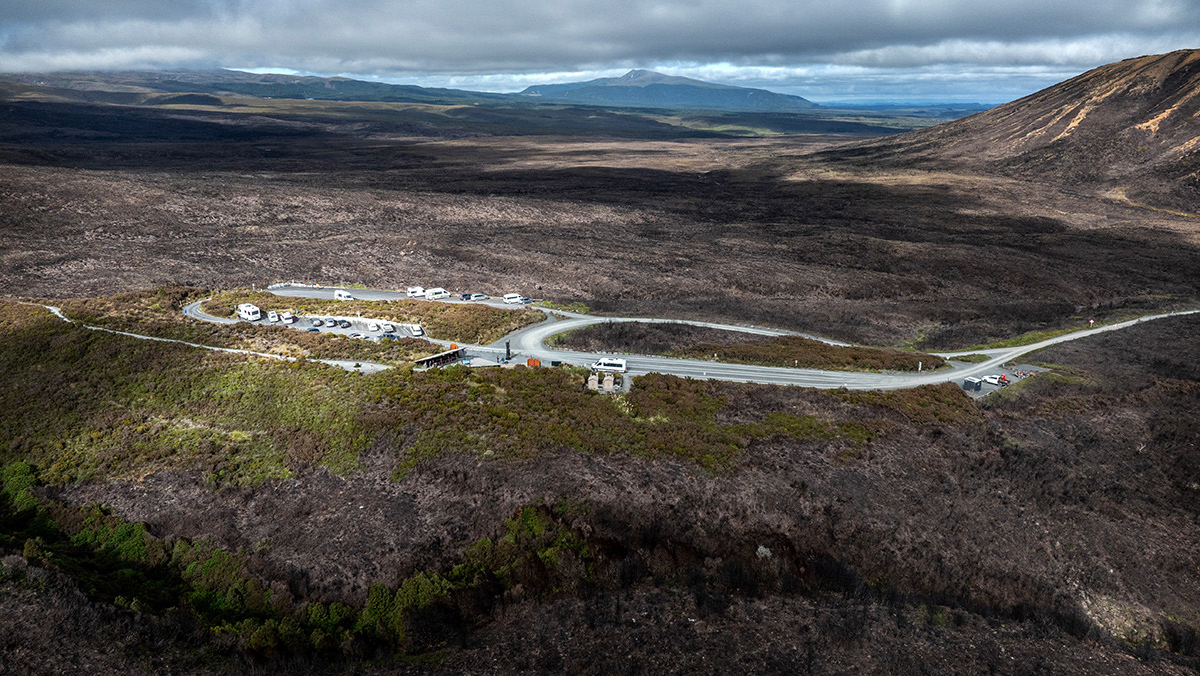
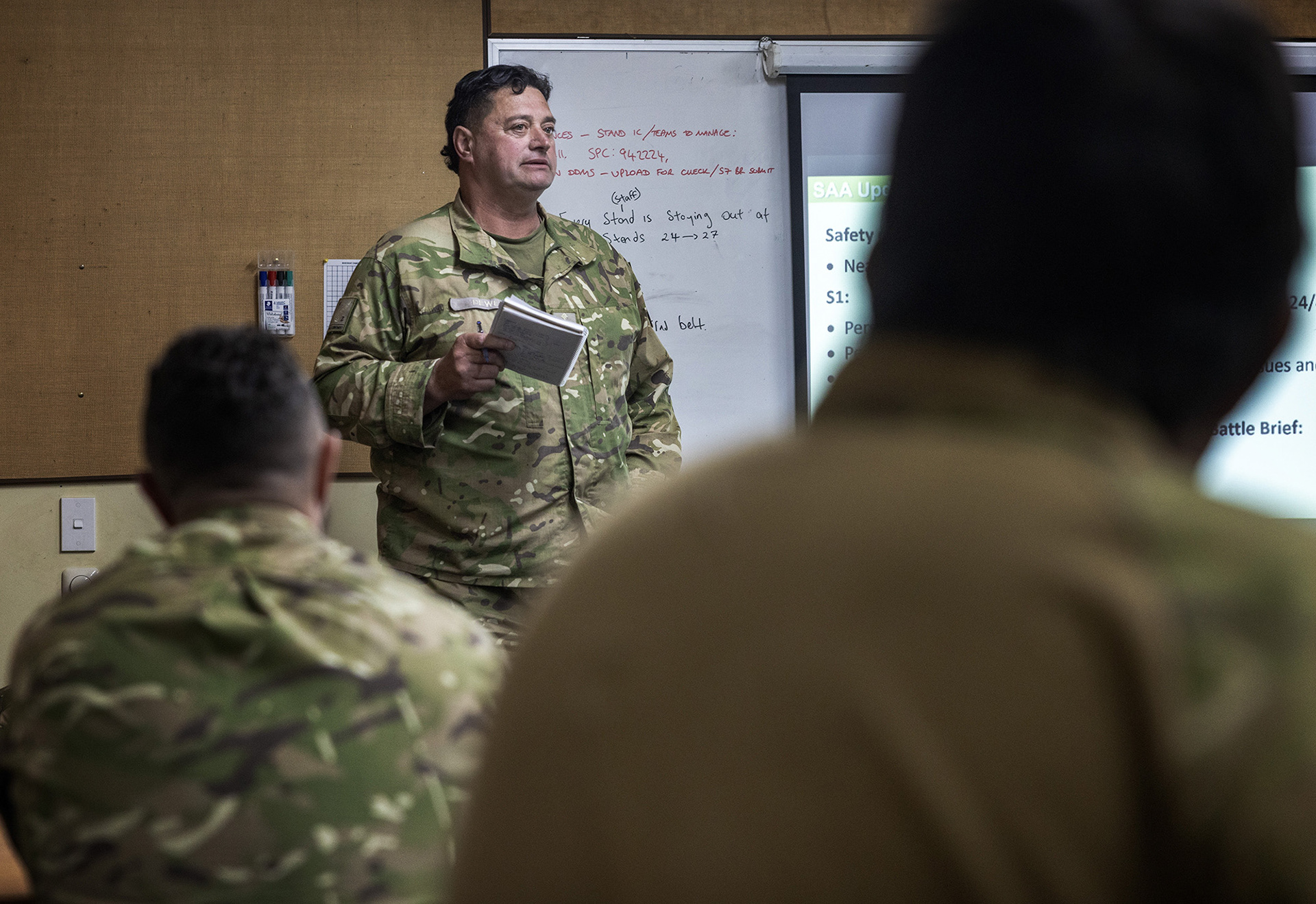
The competition was staged last week at Waiouru. Observing was Colonel Mike van Welie, commander of the 1st (NZ) Brigade – the Army’s largest formation and the core of its operational fighting force.
“When I welcomed the teams here a couple of days ago, I said to them we have had more pressure on our region than at any point in our careers,” van Welie said.
“Whether you’ve served for one day or 30 years, there has never been more pressure on the security environment in our region than there is now.”
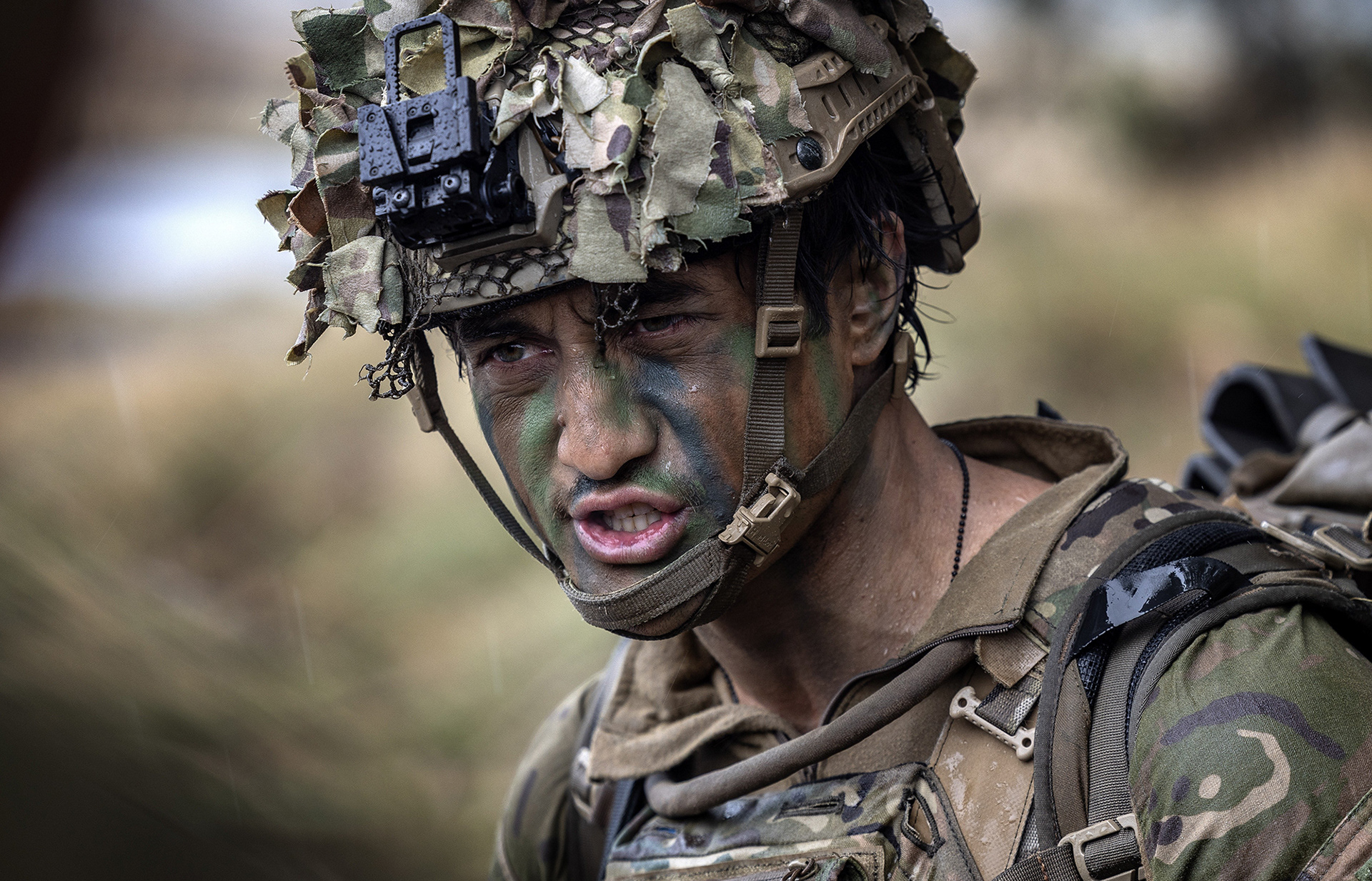
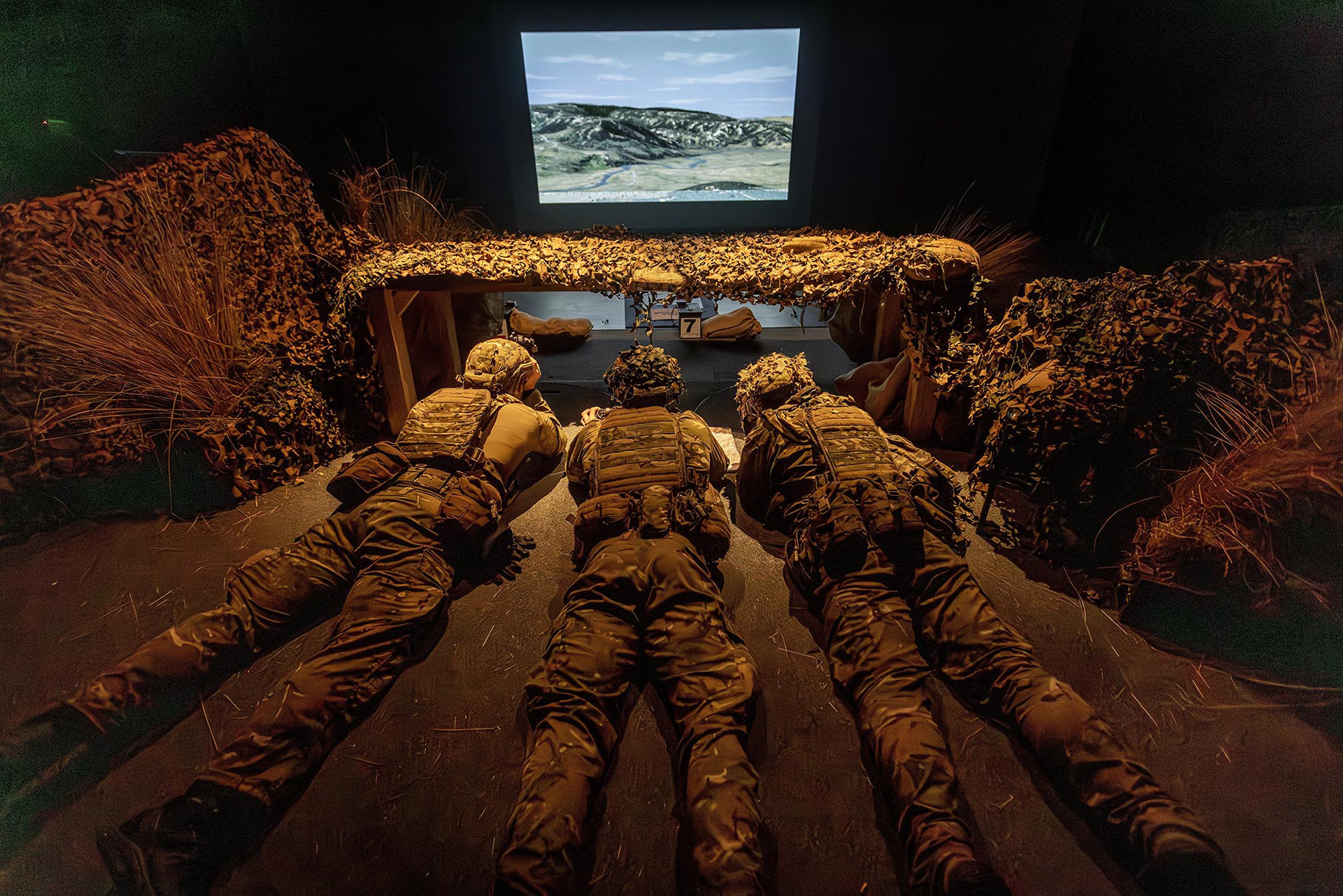
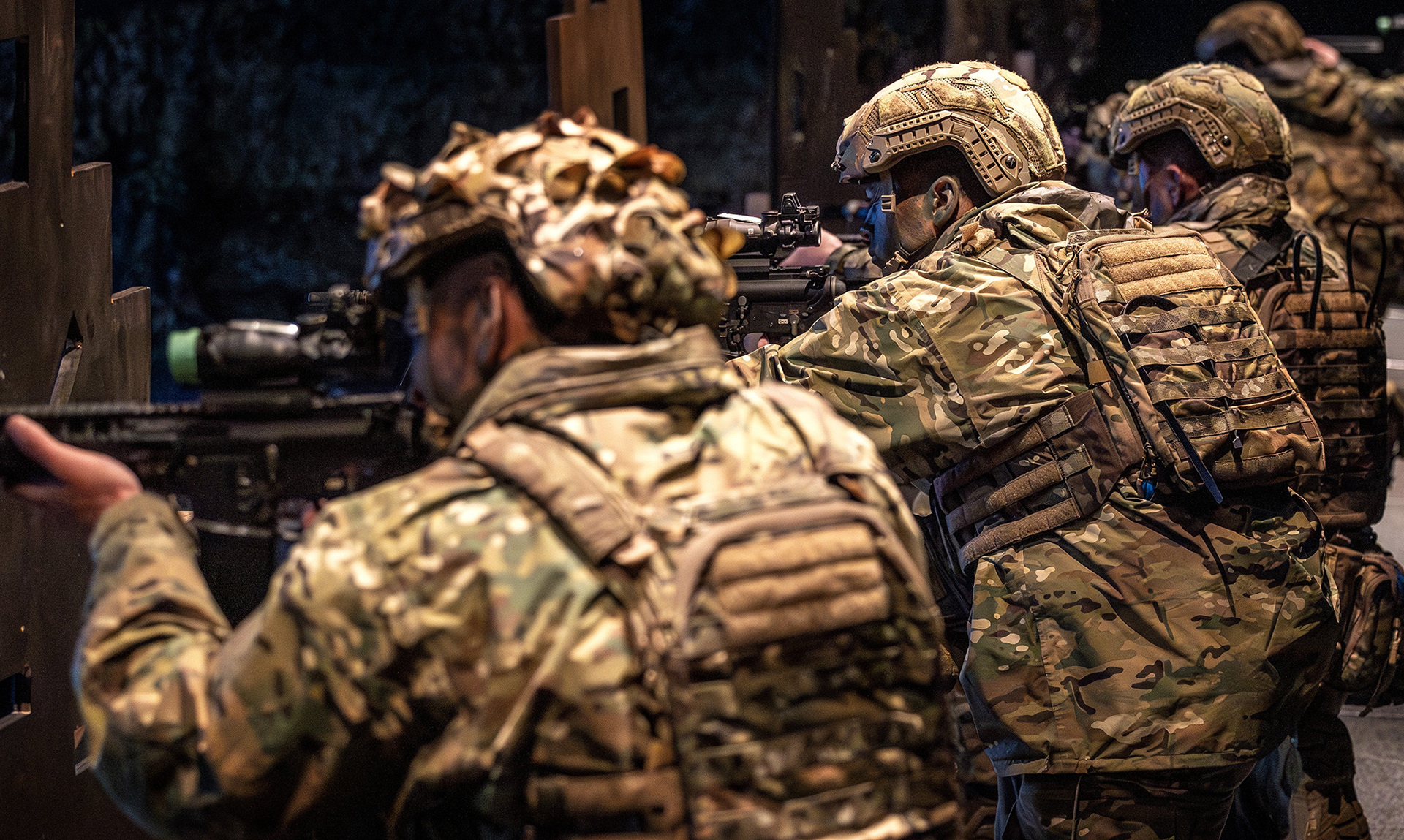
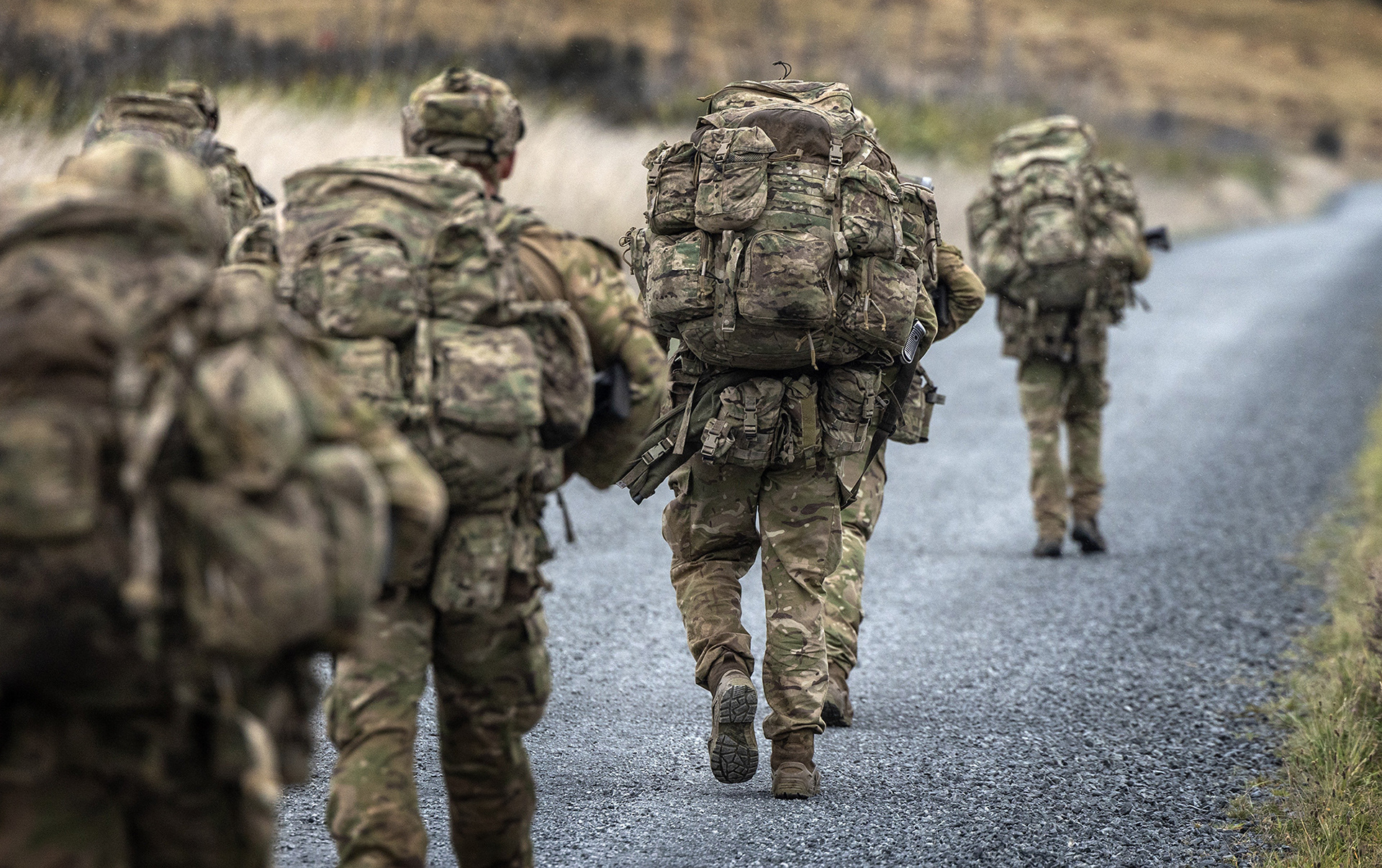
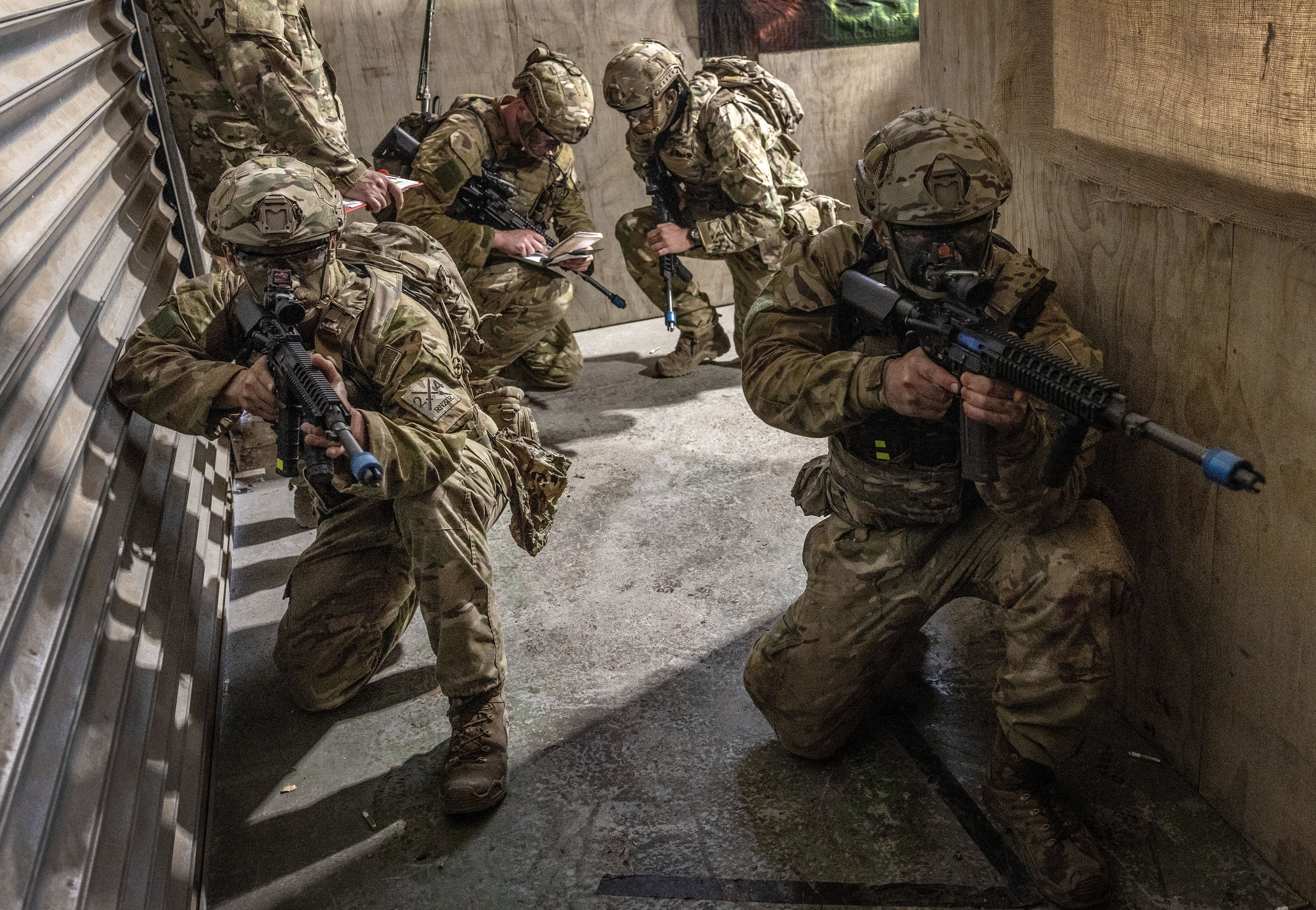
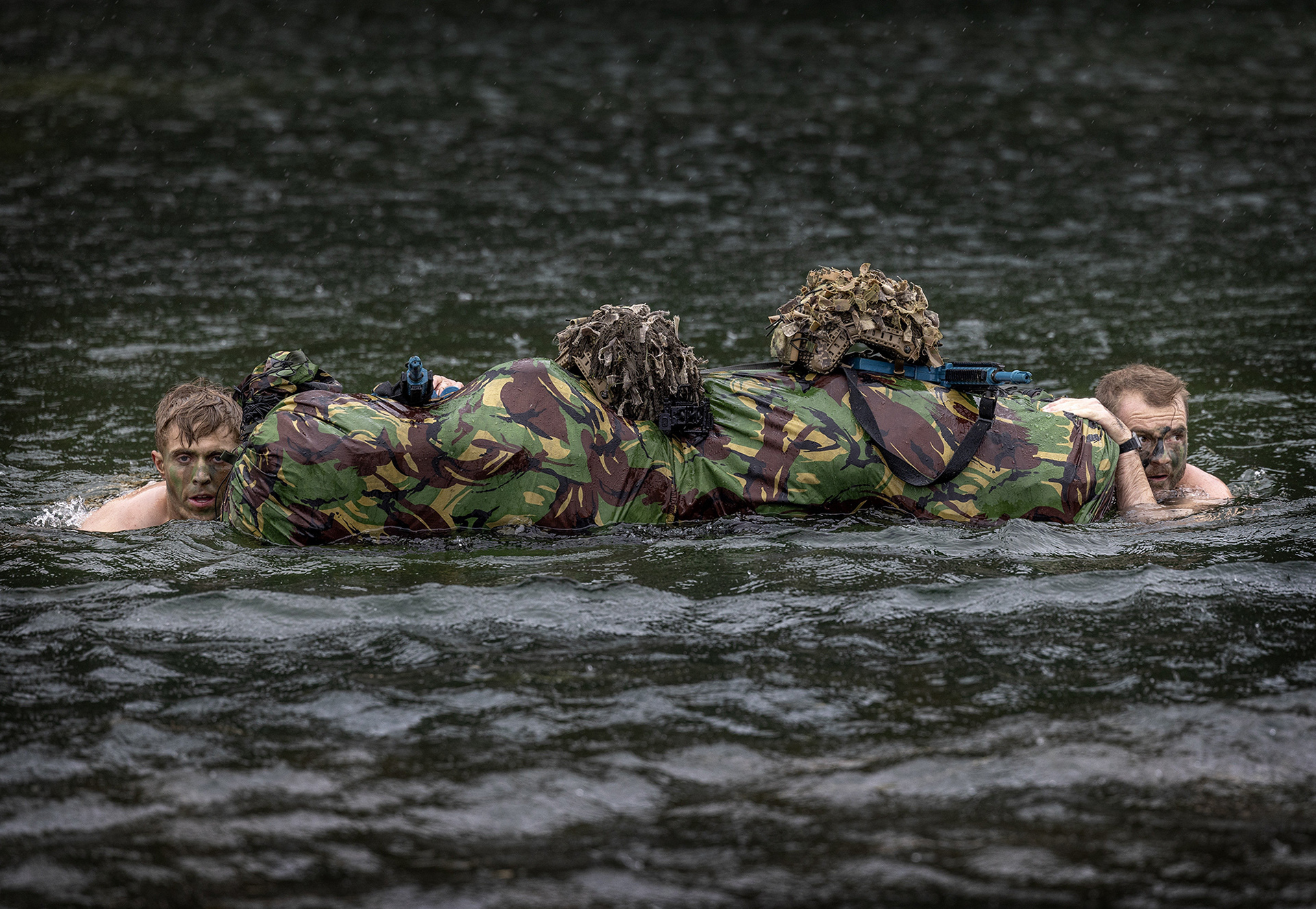
The Herald was invited to cover the Skill At Arms competition, where 10‑person squads move between “stands” or testing areas, carrying about 30kg of kit and rifles.
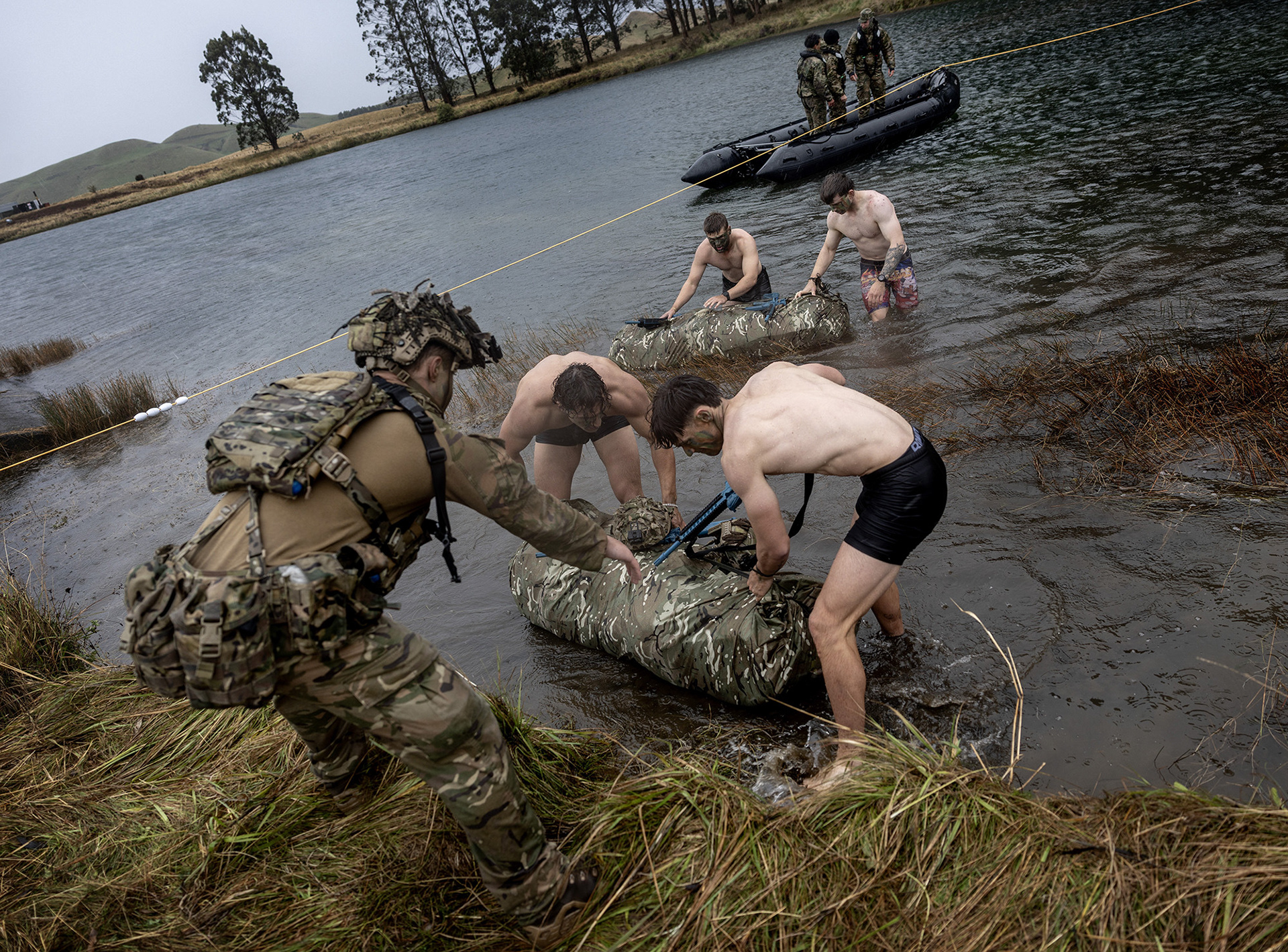
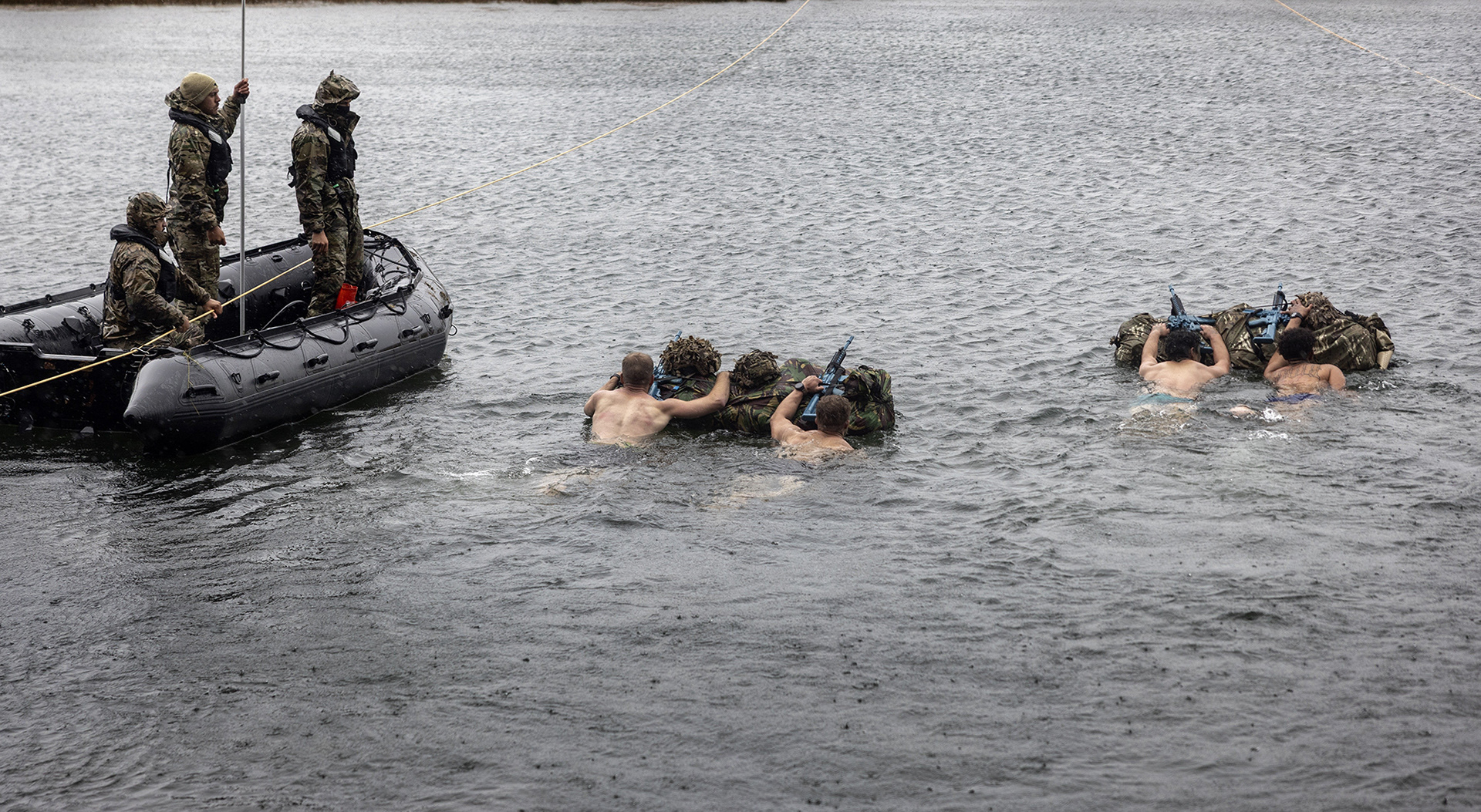
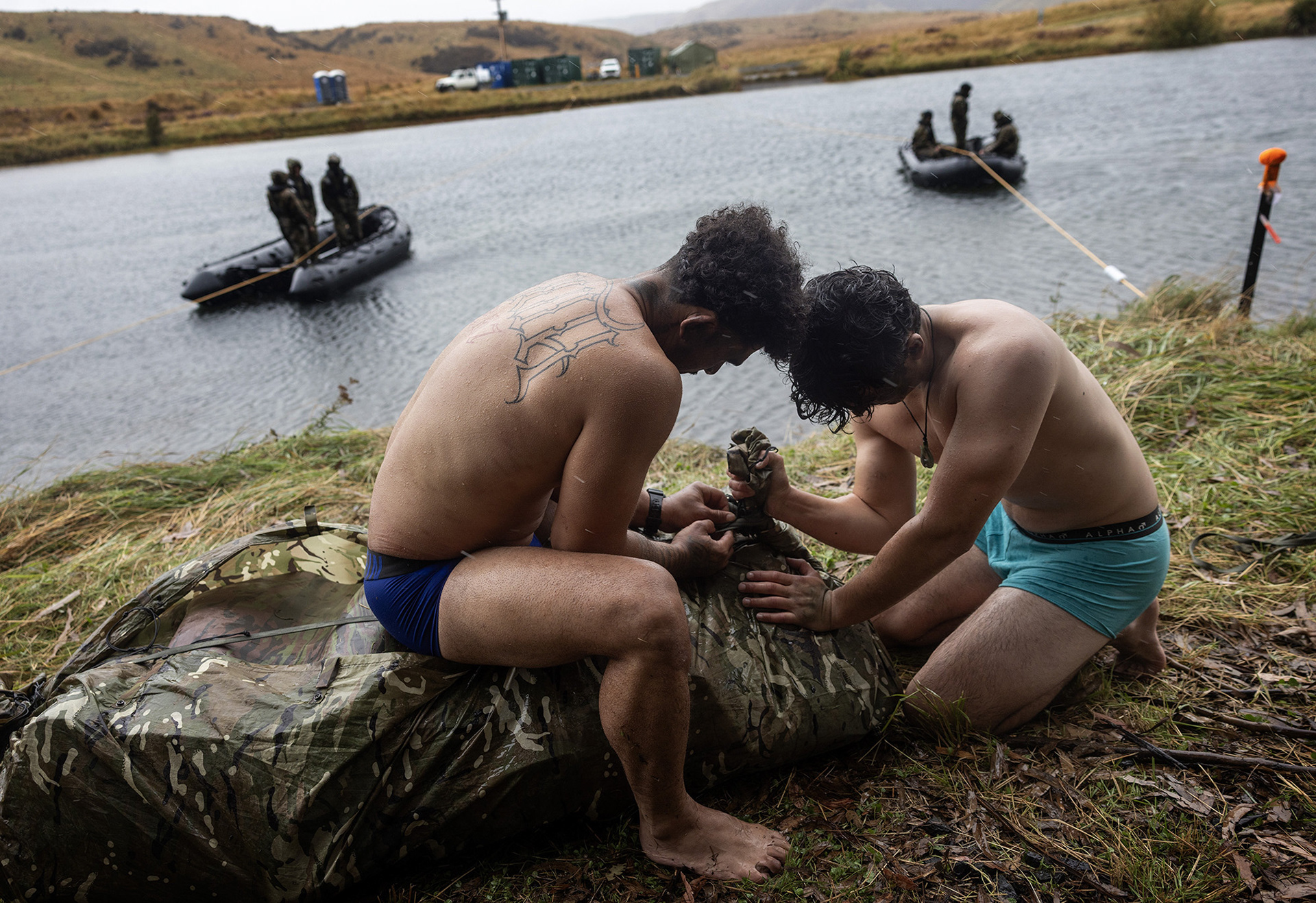
Tests included water crossings, where squads secured a perimeter before stripping off and swimming through freezing water while keeping their equipment dry.
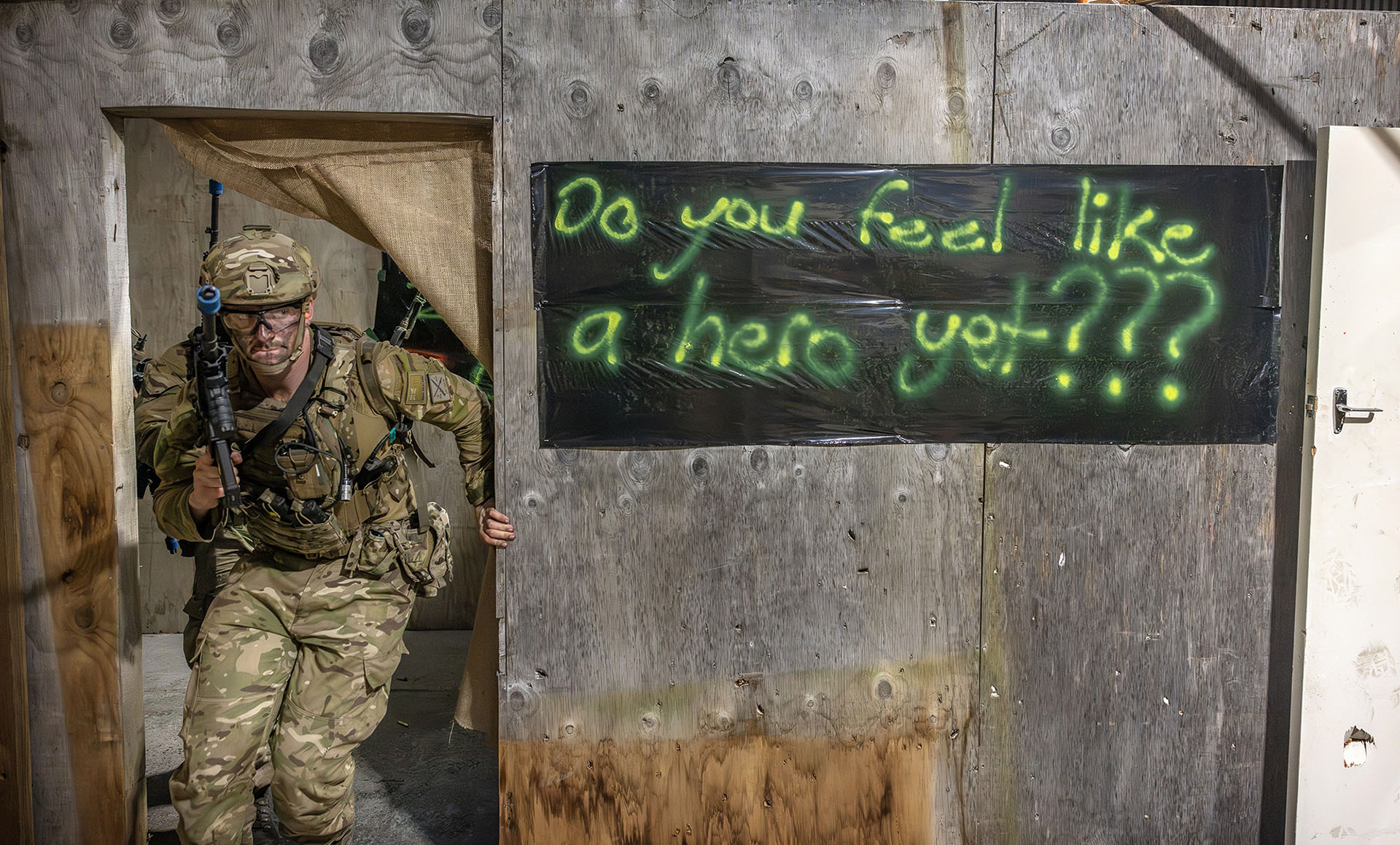
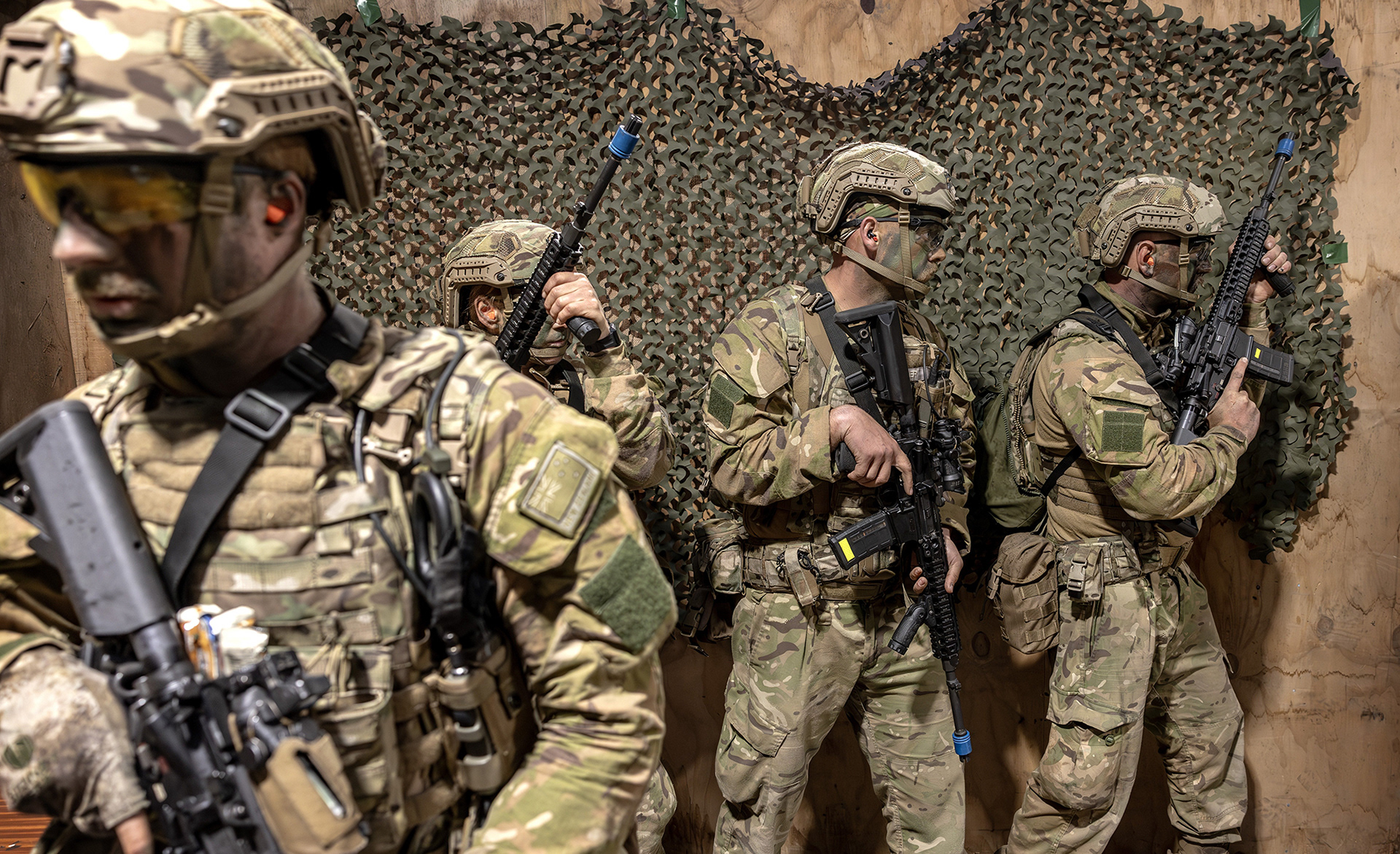
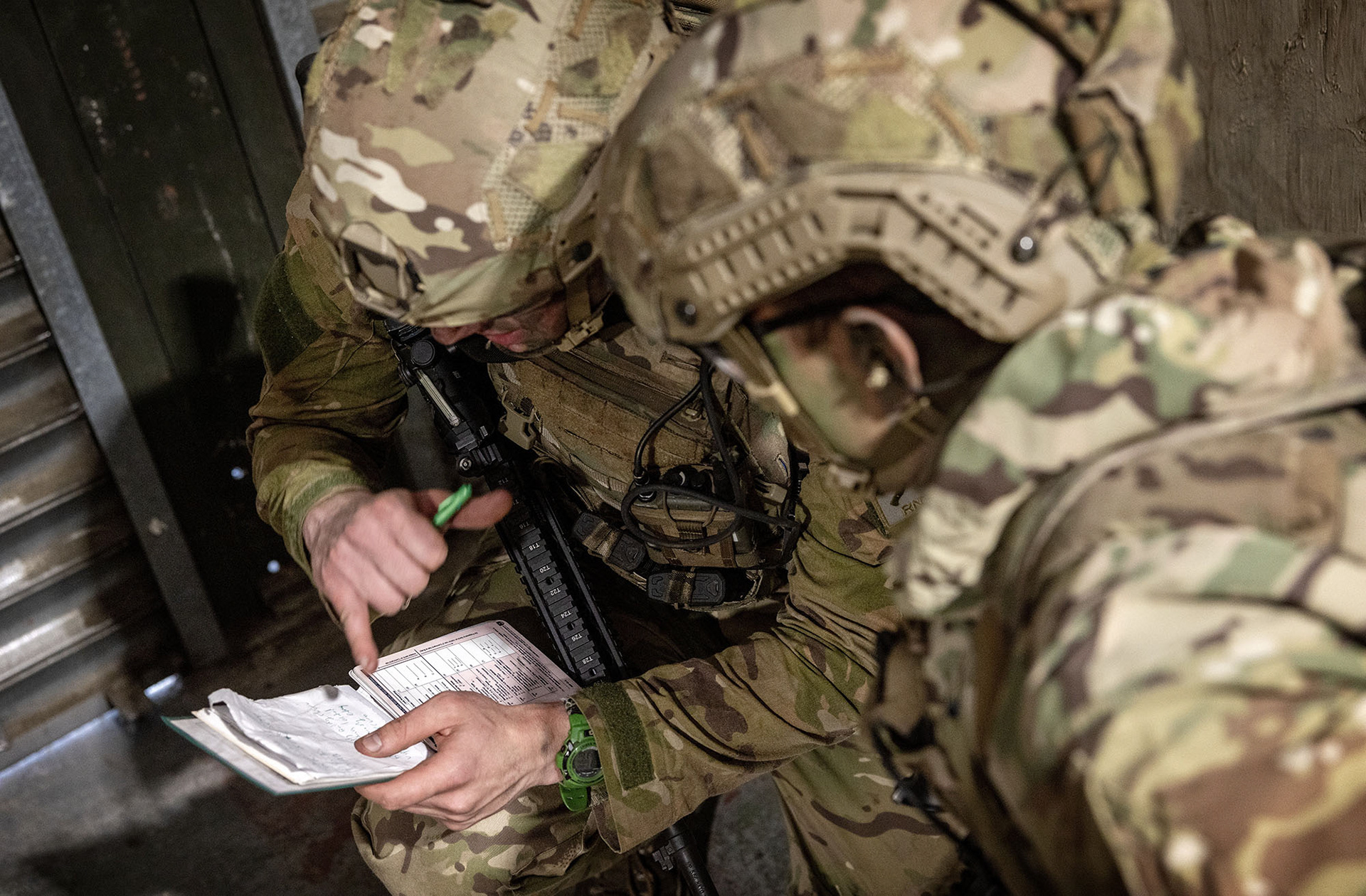
At the urban clearance stand, soldiers moved room by room firing chalk rounds to clear potential enemy personnel, as a blaring loudspeaker created confusion.
Teams were drawn from across the 1st (NZ) Brigade, including infantry, armoured vehicle crews, support trades such as mechanics and chefs, and reservists, or part-time soldiers.
Teams from Australia, Fiji and Tonga were also invited.
“We need to be able to trust that whenever our soldiers hop outside their vehicle or hop outside their primary trade, they’ve got the necessary skills to survive and win on the battlefield.”
Van Welie did not spell out what those growing pressures were, but his comments sit against a backdrop of New Zealand deepening defence ties with Australia and Pacific partners amid heightened strategic competition in the region.
That includes China’s expanding military presence, underscored last year when a People’s Liberation Army Navy task group conducted unannounced live‑fire exercises in the Tasman Sea, forcing civilian aircraft to divert normal air routes.
The recent announcement of stronger Anzac ties drew a sharp rebuke from Beijing.
Van Welie’s assertion to the troops was backed by the Government.
“New Zealand is facing its most challenging and dangerous strategic environment in decades,” Defence Minister Judith Collins told the Herald.
“This is not the world we want, but it is the world we have.”
Collins pointed to increased military activity in the Indo‑Pacific, including a recent ballistic missile test into the South Pacific.
The conflicts in Ukraine and the Middle East were further obvious instances of a deteriorating global environment, she said.
The Government’s Defence Capability Plan focused on increasing defence spending, ensuring the NZDF could respond to crises and support and operate with Pacific partners.
Security analyst Paul Buchanan said the increased “pressure” needed to be kept in perspective, which included the People’s Republic of China’s growing presence in the Pacific.
Although China was expanding its reach globally – something major powers typically do – it was unlikely to pose a direct threat to New Zealand’s sovereignty, Buchanan said.
Much of the strain on New Zealand’s defence posture, he said, came from trying to balance security partnerships with economic realities.
New Zealand’s defence and intelligence ties were aligned with Australia and the United States, but China remained the country’s largest trading partner.
For Warrant Officer Class One Paul Buckley, the heavy rain falling across the Waiouru training area was a positive sign, because discomfort is the point.
Buckley, who oversees the Skill at Arms competition, has spent years training and testing soldiers. He said the event was designed to push people towards failure in controlled conditions, with long marches, demanding tasks, little sleep and foul weather.
“In the real thing, they’ll be more than frustrated.
“If we can get them to push past that point, it will grow resilience. If you’re sitting in a hole and you’re getting artillery and you’re getting shot at, then it’s very important you know your limits.”
Having teams from Australia, Fiji and Tonga, with observers from Vanuatu and Papua New Guinea, was also important because they could one day be the soldiers New Zealanders fight alongside, he said.
Skill At Arms was an opportunity to assess combat readiness at section level within the brigade and also demonstrated interoperability with other Pacific forces.
“You know what you can take and you know what the person next to you can take.”