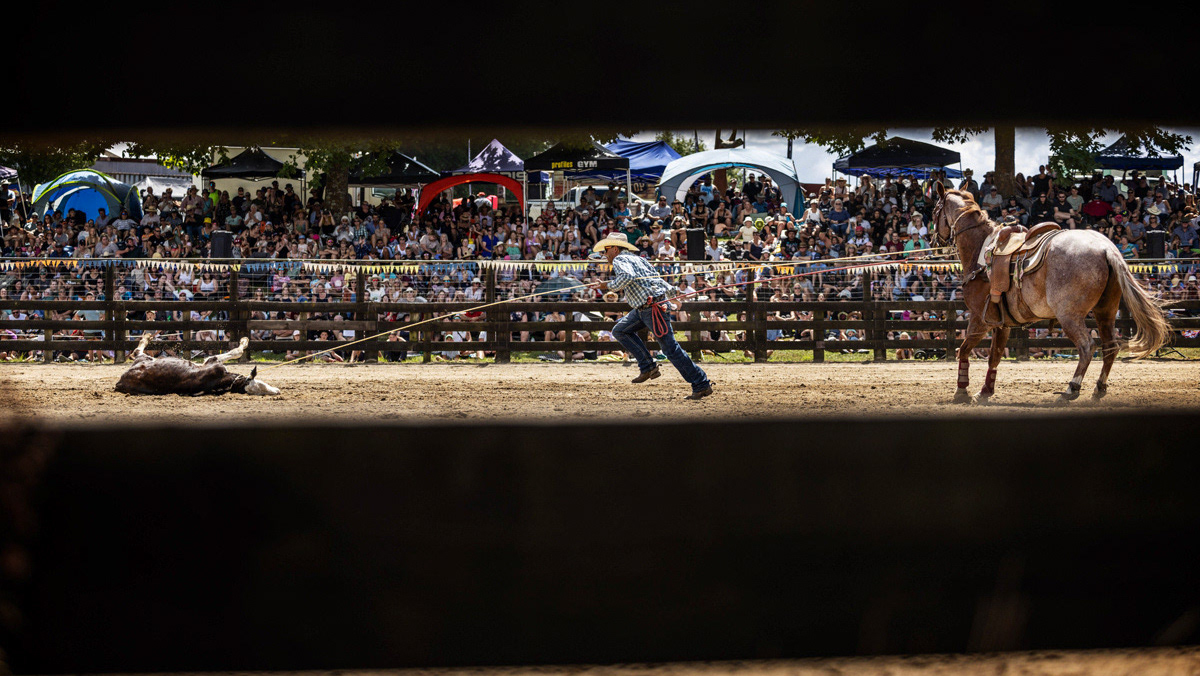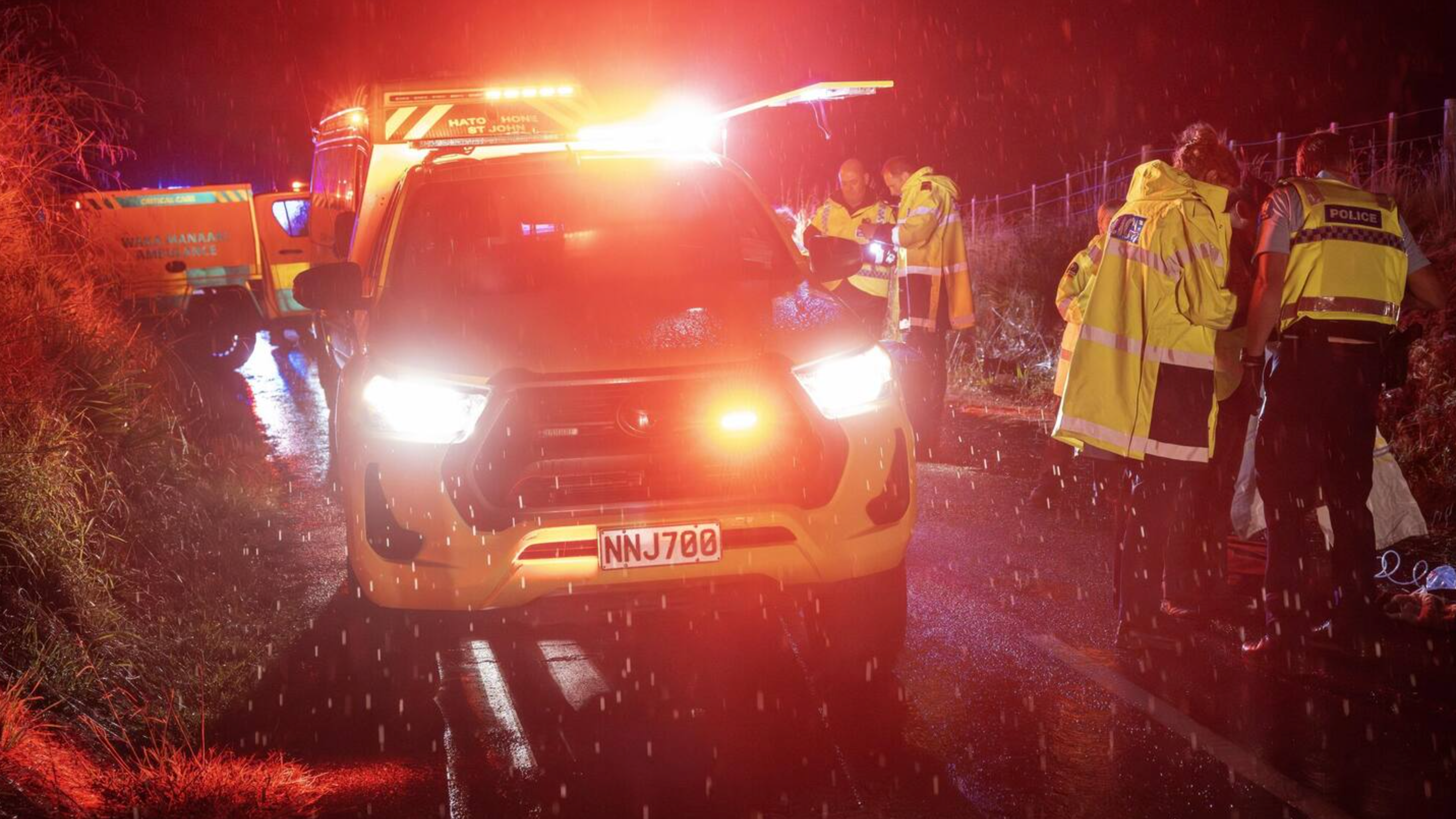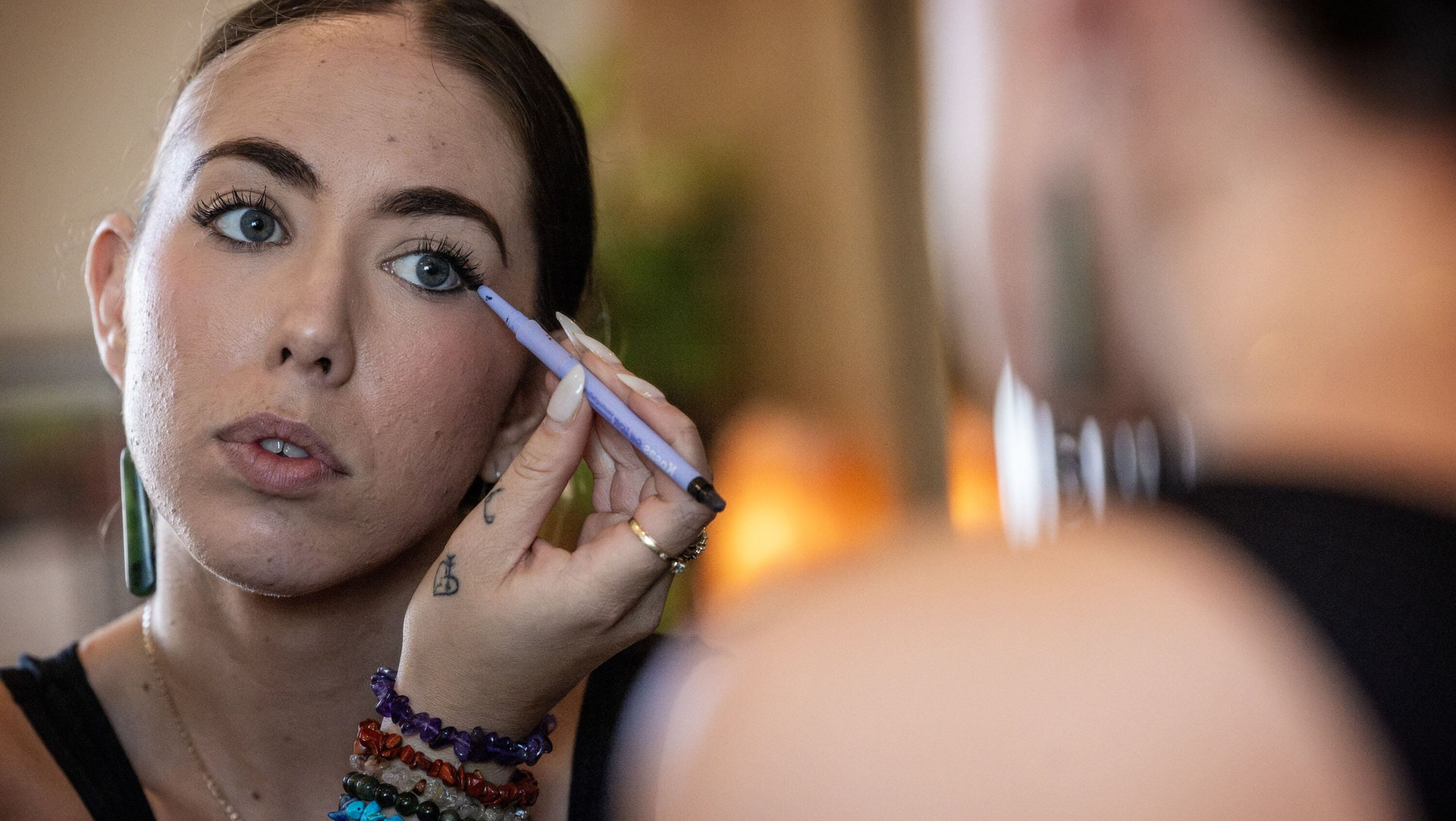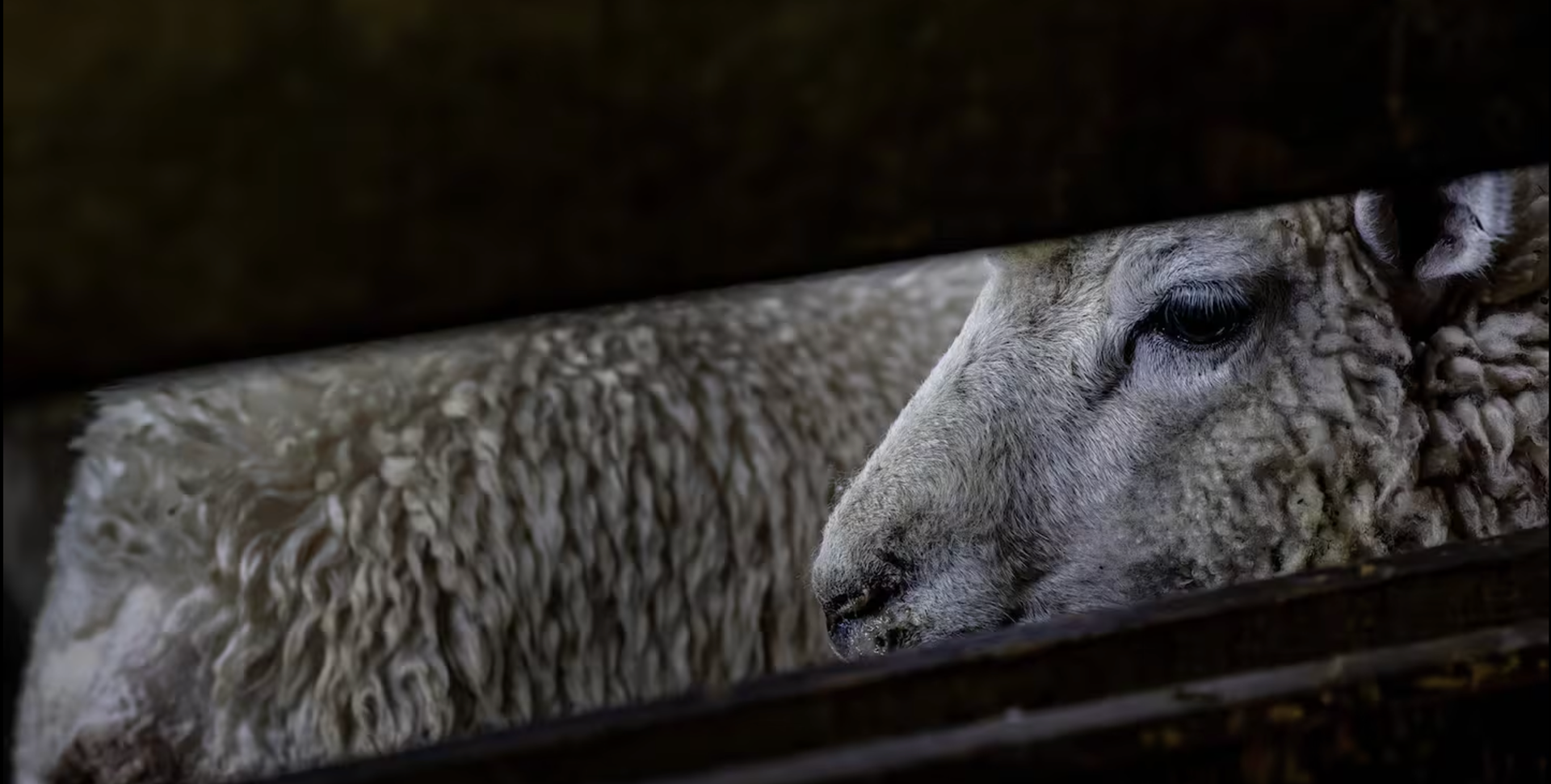
The New Zealand sheep and shearing industry has faced scrutiny over animal welfare since a Peta exposé in late 2024. Photo / Mike Scott
Undercover cameras, brutal animal abuse footage and a year-long investigation. How an offshore animal rights group exposed a dark side of one of New Zealand’s most iconic export industries.
New Zealand was winding down for summer. Across the country, shearing gangs were finishing their last runs of the season, farmers were heading to the beach, and executives at the New Zealand Merino Company were looking forward to the break.
Then, on New Year’s Eve, the news broke.
More than 230 video files, shot undercover for People for the Ethical Treatment of Animals (Peta), had been handed to the Ministry for Primary Industries (MPI), and investigations were underway.
Peta was alleging widespread cruelty to sheep inside New Zealand’s shearing sheds.
The group claimed the poor treatment was happening on numerous farms, including some certified under the New Zealand Merino Company’s wool standard, ZQ, which adheres to ethical animal handling.
“We were pretty shocked to see that type of footage,” Matt Hand, the company’s global supply general manager, said.
“Just to know that it existed. That the behaviour existed.”
The footage was a montage of abuse and violence in shearing sheds.
A year on, the consequences are still landing.
Numerous organisations, including the SPCA, have called for mandatory monitoring cameras in shearing sheds.
The NZ Merino Company - since renamed Zentera Wool – launched independent investigations and instigated its own 24-month camera trial to assure big-name customers that it was overseeing a community of ethical farmers.
MPI has spent more than 4500 staff hours assessing the material.
In late April this year, it announced that 21 charges had been laid against four shearers, and eight more individuals were under investigation.
MPI’s announcement came as the meat and wool sector is forecast to earn $13.2 billion in exports in the year to June 2026, according to the ministry’s recent Situation and Outlook for Primary Industries report.
Wool contributes a small share of the total earnings - about $460 million in forecast export revenue – because most sheep shorn in New Zealand are destined for meat processing.
Sheep meat is forecast to earn $4.4b this year.
Undercover in the woolsheds
This is the story of how an offshore activist group, working undercover, publicised animal cruelty and how a quintessentially Kiwi industry has responded.
For nearly a year, someone was inside Kiwi shearing sheds, observing.
Peta’s “investigator” moved between 34 sheep farms and a slaughterhouse between November 2023 and October 2024, secretly filming shearing operations and other farming practices.
The group claimed 11 of the farms were operating under the ZQ certification, and told the Herald that abuse was witnessed at all 11.
The Herald asked Peta how the footage was captured, how the investigator was recruited and trained, their nationality, and what role they had taken inside the sheds.
Peta declined to answer any of those questions, citing the investigator’s safety.
What Jason Baker, Peta Asia-Pacific’s president, was prepared to reveal was that, at each site, the investigator was granted legal access, and that their placements on the different farms ranged from a few days to almost a month.
By the time the operation ended, the investigator had recorded more than 230 video files, which were passed to MPI.
It was Peta’s first significant undercover exposé in New Zealand, similar to other operations it had run into the wool industry in Australia, the United Kingdom, South Africa, Chile, Argentina and the United States.
The video footage released publicly by Peta was brutal.
Sheep punched, stomped on, and thrown down chutes. Deep wounds opened during shearing sewn shut without pain relief. Workers slamming an animal’s head against a wooden board. Carcasses discarded outside sheds.
The imagery was at odds with the idyllic green pastures grazed by New Zealand’s 22 million-odd sheep.
“Every animal matters,” Baker told the Herald.
“The suffering documented in this investigation happens daily at thousands of facilities worldwide. Exposing systemic cruelty is essential to ending it, and the fastest way consumers can help is to stop buying wool immediately.”
The video files were with MPI by the end of December 2024.
“People in charge of animals have a responsibility to make sure they are being cared for properly,” Gary Orr, MPI’s director of investigations and compliance support, said in a statement.
“In a number of instances, what we saw on the video footage provided fell short of those expectations.”
By last month, MPI had spent more than 4500 staff hours on the investigation. Sixteen investigators had been involved at various stages.
Twenty-one charges were laid against four individuals working in sheds in Hawke’s Bay, South Canterbury, North Otago and the Mackenzie District.
Eight more were under investigation. No farms or shearing contractors have been charged.
MPI declined to say on how many of the 34 farms it had identified potential offending.
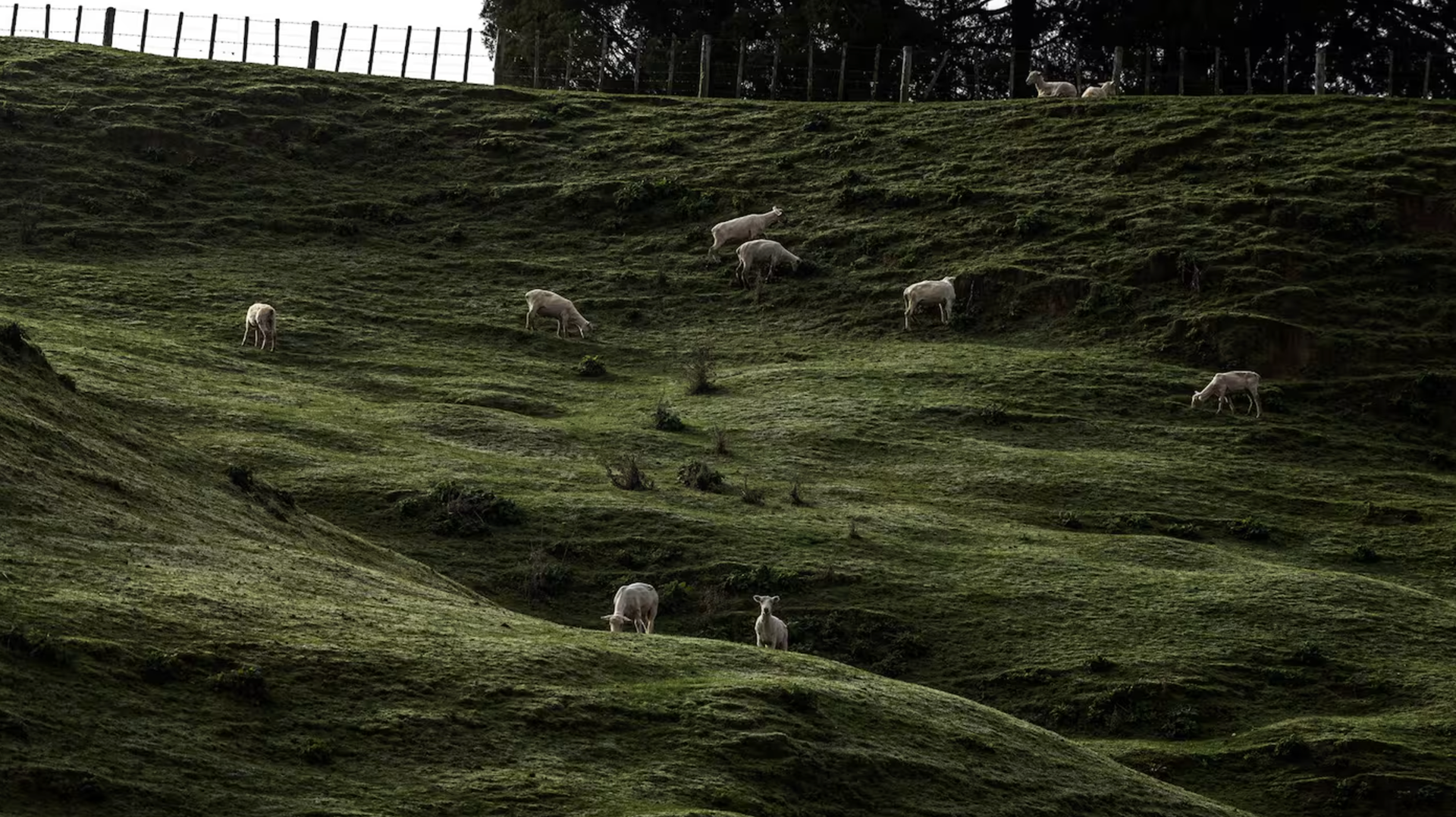
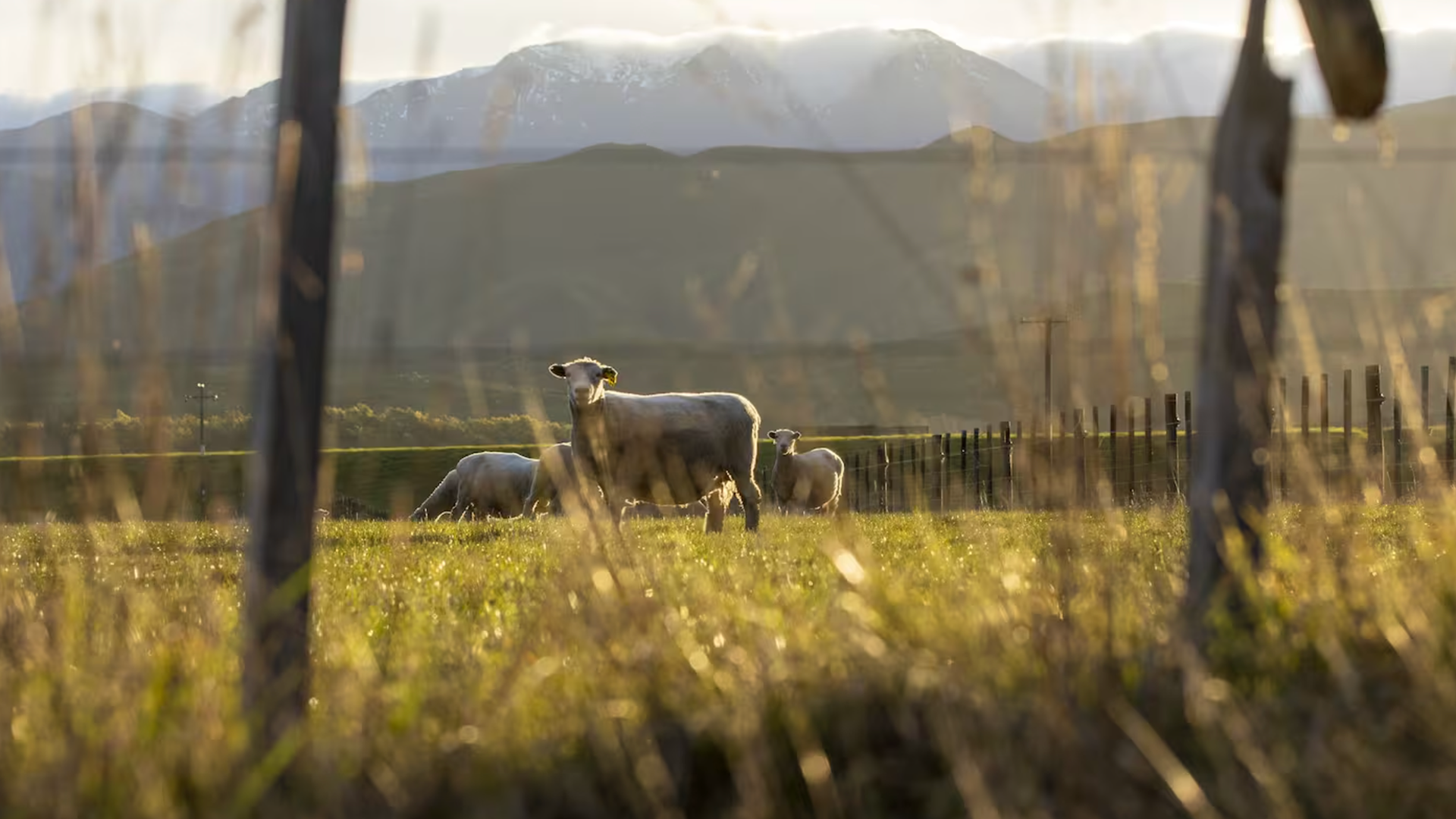
Freshly shorn lambs back in the field. Photo / Mike Scott
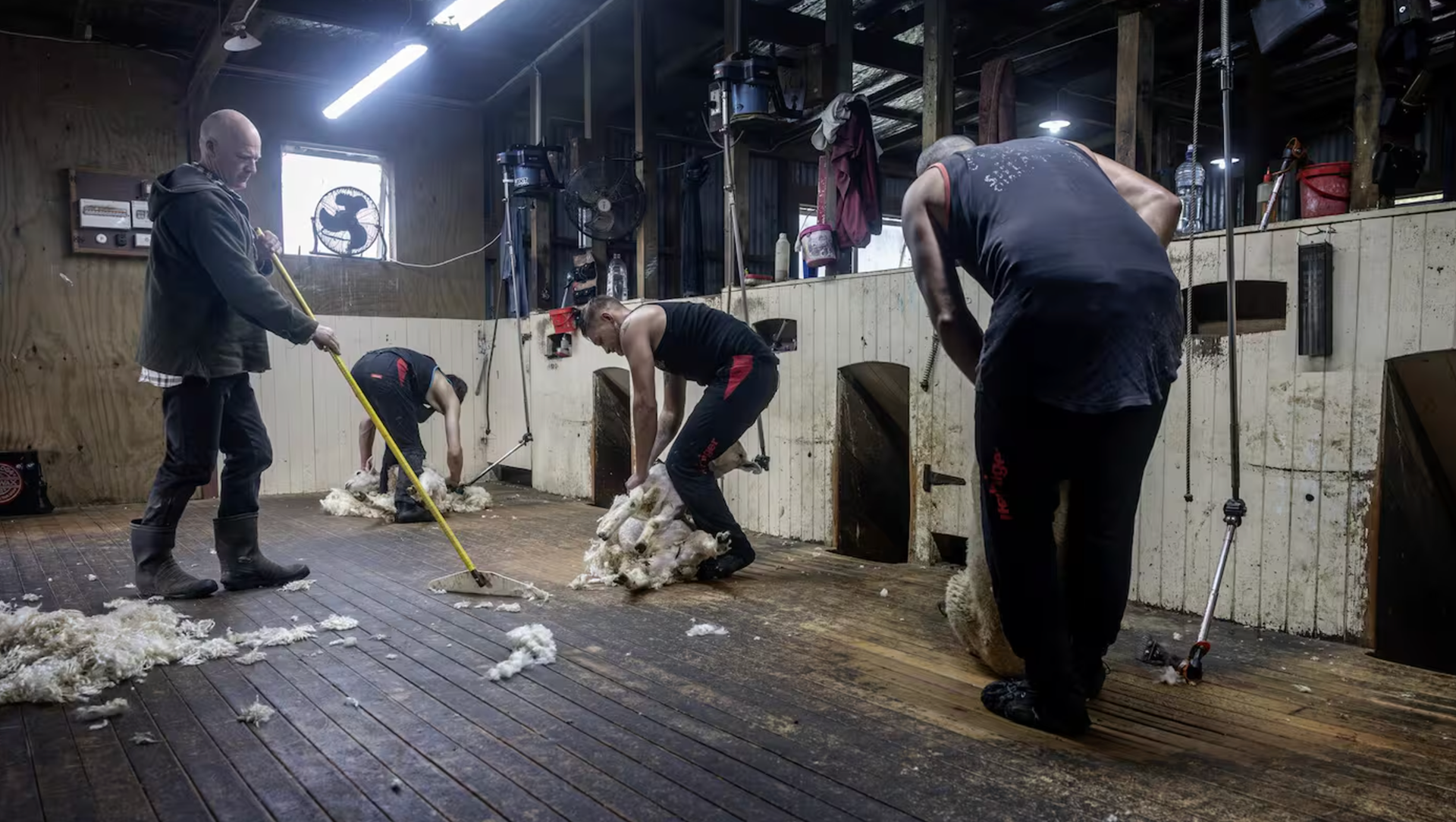
New Zealand Shearing Contractors Association president Mark Barrowcliffe (left) helps Luka Small, Harris Tohengaroa and Garth Macrae to complete their work. Photo / Mike Scott
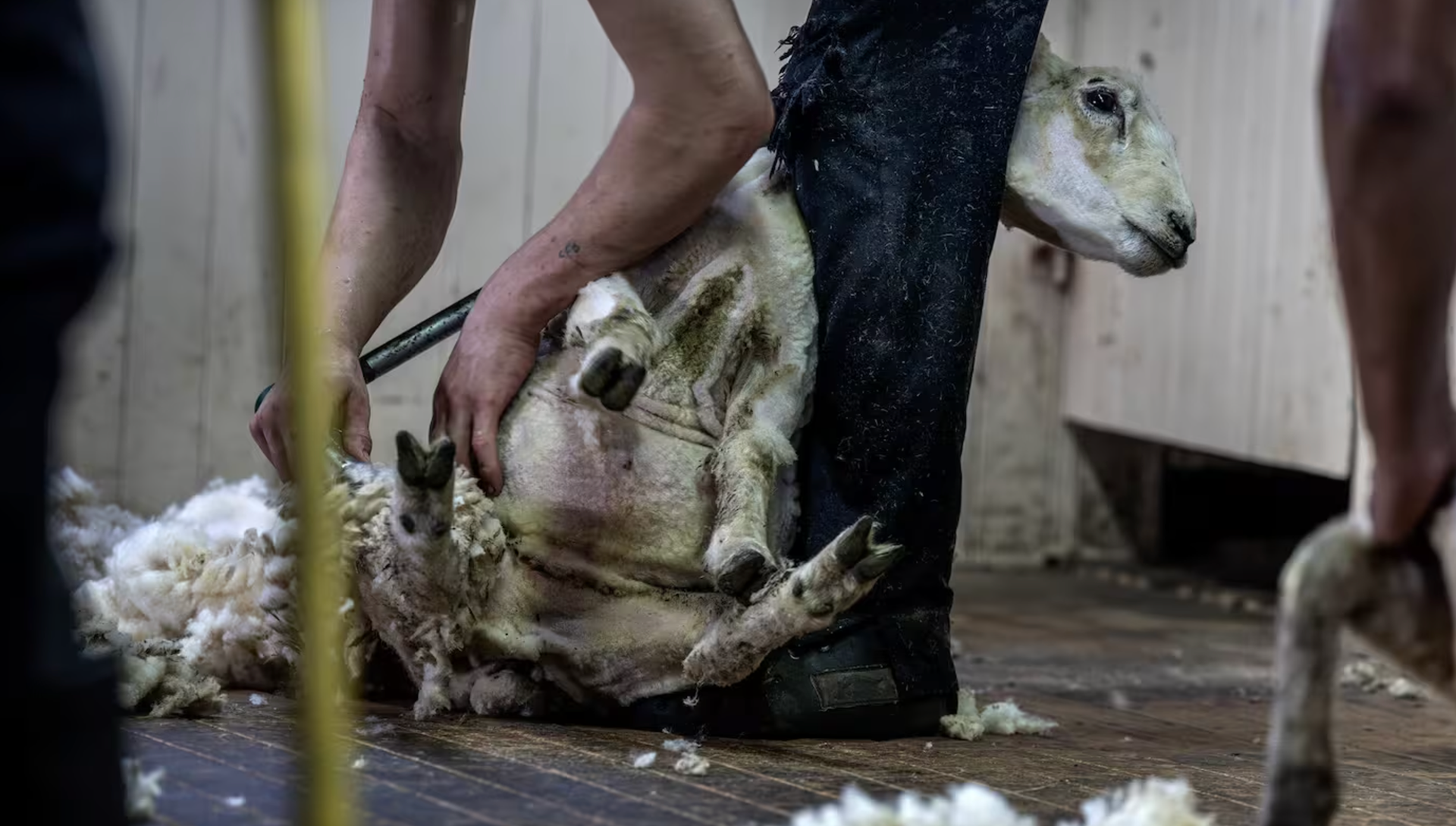
The New Zealand sheep and shearing industry has faced scrutiny over animal welfare since Peta's revelations in late 2024. Photo / Mike Scott
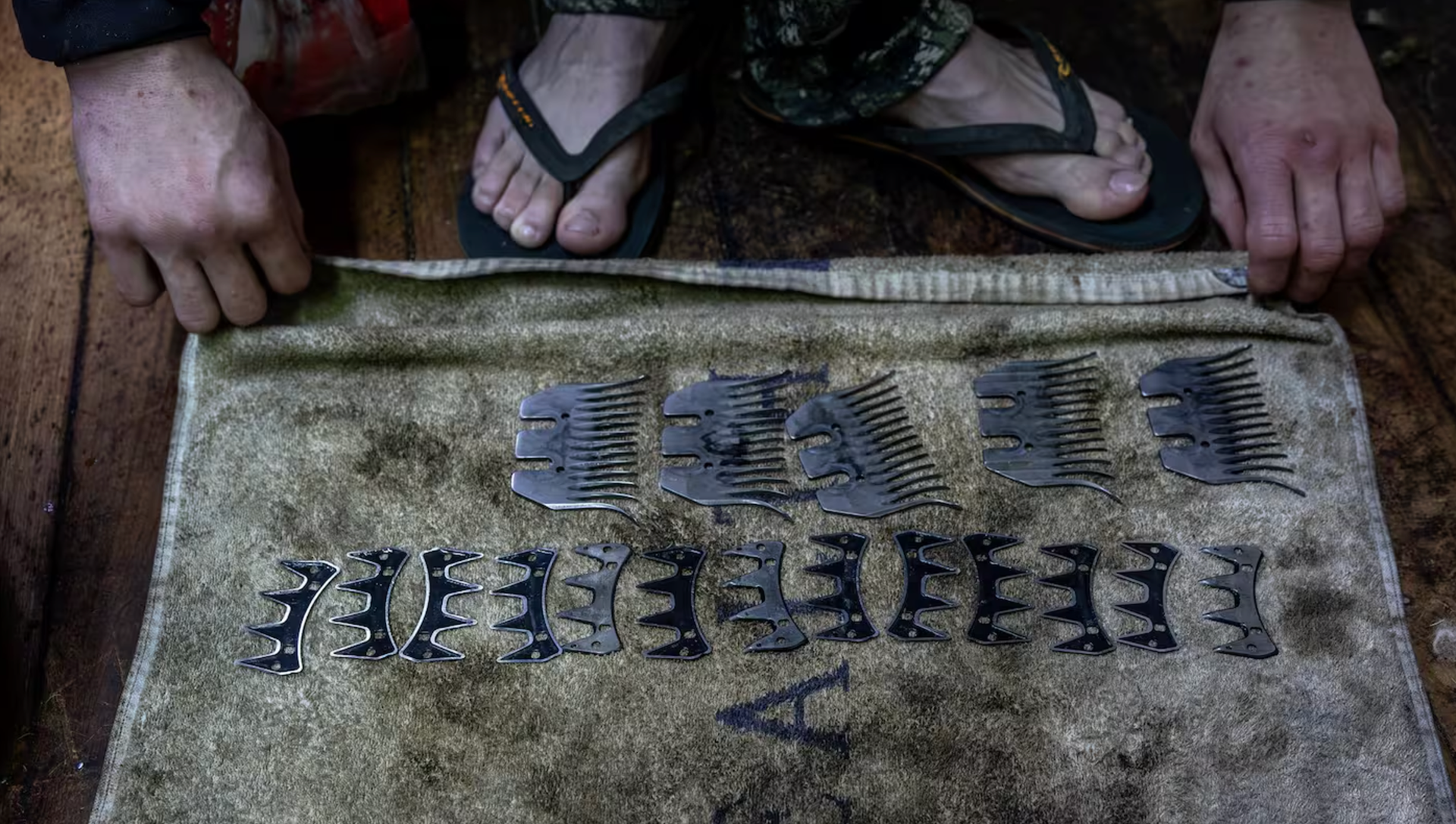
The combs and cutters used for shearing are carefully packed away. Photo / Mike Scott
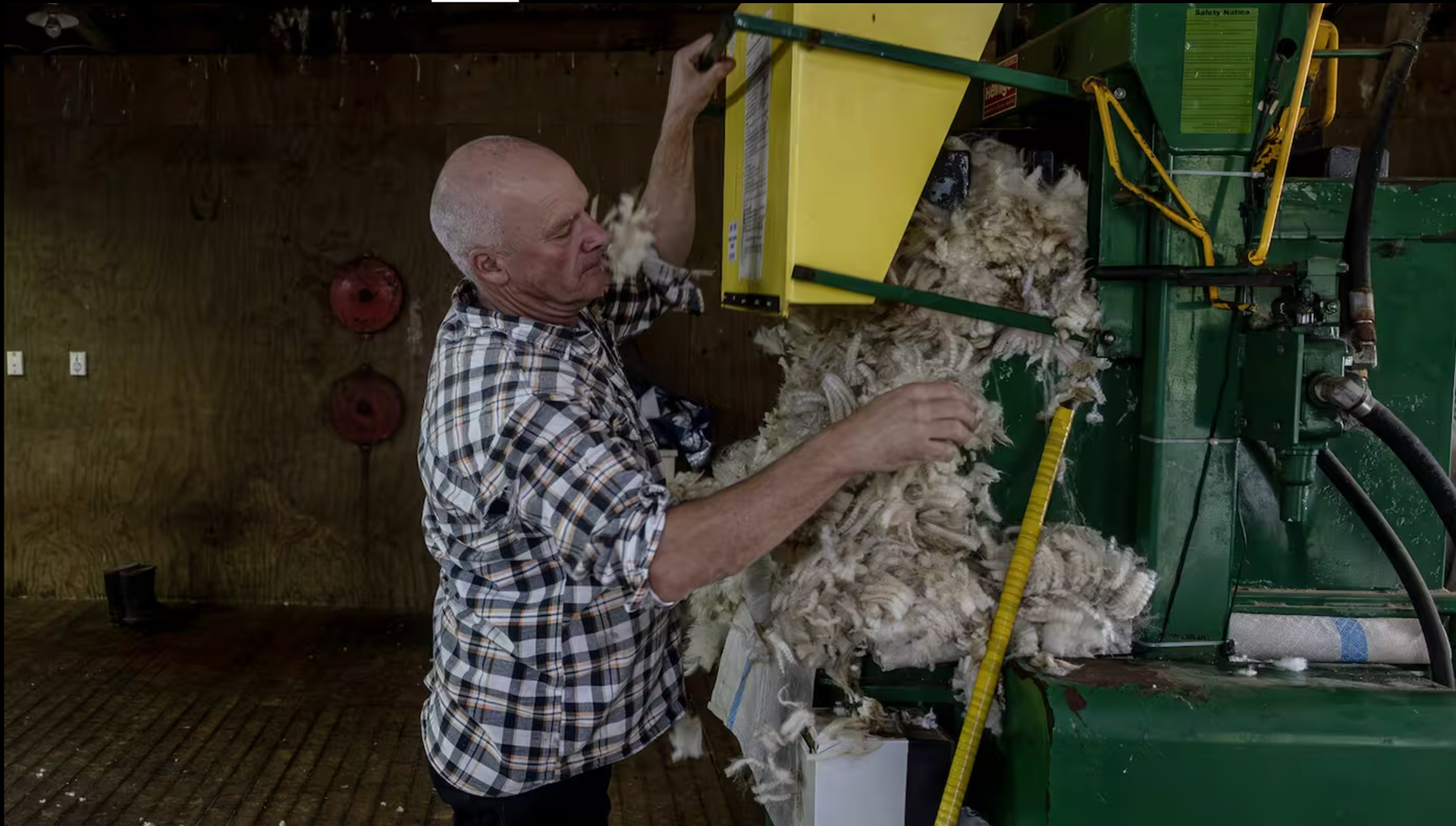
Mark Barrowcliffe loads a wool press on a farm near Piopio. Photo / Mike Scott
The New Zealand sheep and shearing industry has faced scrutiny over animal welfare since a Peta exposé in late 2024. Photo / Mike Scott
The industry’s reaction
In a deep Waikato valley, freshly shorn lambs are white dots scattered across the dark hillsides.
Below, the sound mix of bleats and music is a giveaway that a shearing crew is hard at work.
Inside a shed, three shearers sweat through a flock of more than 1000 lambs destined for the works. Sweeping up the shorn wool is Piopio-based shearing contractor Mark Barrowcliffe, who is also president of the New Zealand Shearing Contractors Association (NZSCA).
It was frustrating when the Peta footage dropped, he said.
While it was a concentration of moments taken over nearly a year, “we can’t say that it wasn’t us, because there’s footage that tells otherwise – it was our industry”.
As in any job, challenges and pressures could lead to bad behaviour, but that was no excuse for abusing an animal, he said.
“It’s about giving people tools to manage bad days ... you’ve got to mentor them through different stages of their lives.”
Shearing is almost exclusively learned on the job, and the best were those who knew how to handle and read the animals, Barrowcliffe said.
It wasn’t always this way. A structured national training programme, funded through the Wool Board levy, collapsed when farmers voted out the levy in 2009.
The baby was thrown out with the bathwater, Barrowcliffe said.
“The old system had regimented, consistent courses. You knew there was one every November in a certain area.”
A single shear could involve 40 individual strokes and multiple foot stances - a bit like a complex road map, Barrowcliffe said.
“When you flip a sheep up, you’re actually putting it in an unnatural position, and it wants to naturally get back up on its four feet.
“So, really, we want to try and give it the haircut in the safest possible way for it and us, and then get it back on its feet out in the paddock with its mates – and it’s happy.”
High stakes
For Zentera Wool, the stakes were high. High-quality wool was its main product, and its business was a target of Peta’s campaign.
The Christchurch-based company recorded operating revenue of $128.5m in its most recent financial year, marketing wool to customers across Europe, North America and Asia.
Its more than 600 ZQ grower base supplies some of the world’s best-known outdoor and fashion brands, including Smartwool and Icebreaker.
When Peta’s footage landed, some of Zentera’s biggest brand customers were receiving upwards of 500 emails a day from activists pressuring them to drop New Zealand wool.
“When we saw the footage, we got together very quickly to determine what was the best course of action,” Hand said.
“The course of action wasn’t to rebut the footage. The course of action was to get stuck in and find out what was happening in shearing sheds around the country to ensure the practices were of a high standard.”
Two ZQ-certified farms recognised their own properties in the publicly released footage and self-identified to Zentera within days.
“They were shocked to see their own properties and to see what was happening,” Hand said.
Both had their wool quarantined in the supply chain, were suspended from the ZQ programme and investigated by Control Union, an independent international auditing body contracted by Zentera to verify whether its ethical standards were being met.
Control Union concluded the deliberate abuse shown in the publicly released footage had not occurred on either of the two farms. However, both breached ZQ standards around staff training and supervision. After completing corrective action, they were reinstated.
Zentera requested the identities of the other ZQ-registered farms from MPI and Peta. The request was unsuccessful.
The company also implemented a series of actions that included welfare-focused spot inspections, investigating installing monitoring cameras on farms, and the appointment of trained, designated animal welfare officers during shearing for each ZQ property.
Zentera chief executive Angus Street said the company unequivocally condemned the mistreatment of animals.
“Animal welfare is at the heart of what we do and the ZQ standard.”
Since July last year, Zentera had been running in-shed camera trials across several of its ZQ-certified properties as part of a 24-month pilot programme, Hand told the Herald.
Another six were planned for the upcoming shearing season across New Zealand and Australia.
The idea was to trial various camera systems in varying environments.
The different set-ups cost between $1200 and $8000 per shed, depending on size and layout, he said.
Zentera was also exploring how shearing contractors could supply their own system for about $60-$80 a day.
How the footage might be used in the future was not yet set down, but any captured in the trials was currently held by Zentera, growers and auditors, and not MPI, Hand said.
Cameras were already commonplace in other industries, and their arrival in woolsheds was overdue rather than radical.
He conceded that Peta had accelerated the process.
“Cameras have been implemented in so many other industries. They are not rare by any stretch.
“Peta perhaps may have fast-forwarded something that was inevitable.”
‘An industry built on violence’
For Peta, the recent charges against four individuals are welcome, but its campaign continues.
Its position is unchanged: that abuse is inevitable wherever animals are exploited for commercial gain.
“It’s not a few bad actors; it’s an industry built on violence,” Baker said.
“Peta’s investigations encompass only 34 New Zealand facilities out of thousands, so it’s sobering to imagine the suffering that has not been caught on camera.”
Barrowcliffe, like others across the wool industry, is reflective.
The whole saga is not just about the individuals who will find themselves in court, he says.
“It does come further up the line – how can we stop that from happening because we take the issue at the coalface away and we haven’t got a problem.
“So that’s what we’re all about – together stopping any of this from happening in the future, going onwards and upwards – and then everyone’s happier.”